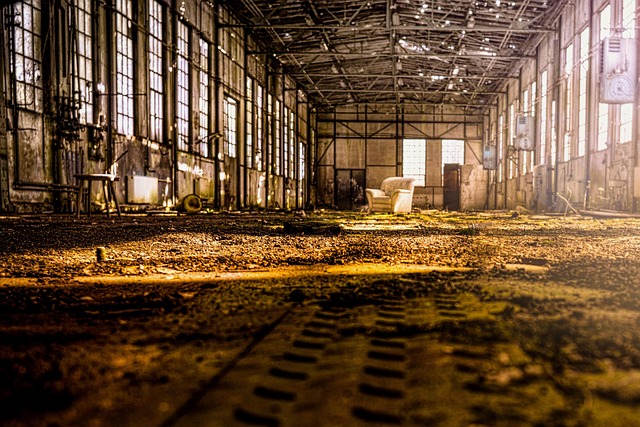
Category: Industrial-Space
Industrial-Space: Redefining the Interface Between Industry and Innovation
Introduction
In an era defined by rapid technological progress and globalization, the concept of Industrial-Space has emerged as a transformative force, reshaping industries and redefining our relationship with physical spaces. This term encapsulates the intricate interplay between industrial processes, advanced technologies, and innovative spatial designs, paving the way for unprecedented productivity, sustainability, and economic growth. In this comprehensive article, we embark on a journey through the multifaceted world of Industrial-Space, exploring its defining characteristics, global impact, economic implications, technological innovations, regulatory frameworks, and future potential.
Understanding Industrial-Space: A Fusion of Industry and Design
Definition and Core Components
Industrial-Space refers to the strategic integration of industrial activities, advanced technologies, and thoughtfully designed physical environments. It involves optimizing production processes, leveraging digital solutions, and creating purpose-built spaces that facilitate efficient operations, enhance worker experiences, and promote environmental stewardship. The core components include:
- Industrial Processes: Manufacturing, logistics, and resource extraction form the backbone of Industrial-Space, involving the transformation of raw materials into finished goods.
- Advanced Technologies: Automation, robotics, IoT (Internet of Things), AI (Artificial Intelligence), and data analytics are integral to streamlining operations, improving quality, and enabling predictive maintenance.
- Spatial Design: This encompasses factory layouts, warehouse management, supply chain networks, and the design of smart cities, all tailored to support efficient industrial activities while prioritizing safety, accessibility, and sustainability.
- Sustainability Focus: Industrial-Space emphasizes environmentally conscious practices, incorporating renewable energy sources, waste reduction strategies, and circular economy principles into industrial operations and facility design.
Historical Context and Evolution
The concept of Industrial-Space builds upon centuries of industrial revolution, where the integration of machinery, factories, and urban landscapes transformed production methods. Over time, the evolution has been driven by:
- Technological Advancements: From the steam engine to digital automation, each technological leap has reshaped industrial practices, making processes faster, more efficient, and data-driven.
- Global Market Dynamics: The rise of globalization and international trade has spurred the need for optimized supply chains and flexible production capacities, pushing industries towards innovative spatial solutions.
- Sustainability Concerns: Growing environmental awareness has prompted industries to adopt eco-friendly practices, leading to the integration of sustainability into Industrial-Space design and operations.
Global Impact and Trends: A Network of Industrial Innovation
International Influence
Industrial-Space is a global phenomenon, with its influence permeating every continent. Key regions, such as Asia Pacific, North America, and Western Europe, have led the way in adopting innovative industrial practices, while emerging markets are rapidly catching up. This global exchange fosters the dissemination of best practices, technological knowledge, and expertise, driving industry-wide transformation.
Regional Trends
| Region | Trends | Examples |
|---|---|---|
| Asia Pacific | Smart Factories, Digital Twin Technology | China’s digital transformation in manufacturing, Japan’s lean production systems |
| North America | Advanced Robotics, Automation in Logistics | US automotive industry’s adoption of autonomous vehicles, Canadian warehouses utilizing AI for inventory management |
| Western Europe | Green Industrial Parks, Circular Economy Initiatives | Germany’s energy-efficient factories, the Netherlands’ sustainable port infrastructure |
| Emerging Markets | Tech-Driven Manufacturing, E-Commerce Fulfillment Centers | India’s digital manufacturing push, Africa’s rise in tech-enabled agriculture |
Impact on Local Economies and Communities
The implementation of Industrial-Space principles can have profound effects on local economies:
- Job Creation: Advanced industrialization often leads to the emergence of new job roles, requiring specialized skills, thereby boosting employment opportunities.
- Economic Diversification: Industries can diversify their economic base, moving beyond traditional sectors, and fostering a more resilient economy.
- Community Development: Well-planned industrial spaces can enhance local infrastructure, attract investments, and contribute to overall community growth.
Economic Considerations: Driving Industrial Growth
Market Dynamics
The Industrial-Space market is characterized by dynamic interactions between supply and demand, influenced by global trends, technological disruptions, and regional economic conditions. Key drivers include:
- Supply Chain Optimization: Companies seek efficient supply chain networks to reduce costs and improve product delivery times, driving demand for innovative logistics solutions.
- Digital Transformation: The adoption of digital technologies creates new markets for advanced software, hardware, and consulting services related to Industrial-Space.
- Sustainability Initiatives: Governments and corporations are increasingly prioritizing eco-friendly practices, fostering the growth of green technology and sustainable industrial design sectors.
Investment Patterns
Investment in Industrial-Space follows diverse paths, reflecting its multifaceted nature:
- Infrastructure Development: Governments invest in building smart cities, industrial parks, and transportation networks to support industrialization.
- Technology Upgrades: Industries allocate substantial funds for automation, robotics, AI, and IoT implementations to enhance productivity and efficiency.
- Green Initiatives: Investments in renewable energy infrastructure, waste management systems, and sustainable manufacturing processes are on the rise.
Economic Growth and Returns
The economic impact of Industrial-Space is multifaceted:
- Increased Productivity: Advanced technologies and optimized spaces can boost production capabilities, leading to higher output and improved profit margins.
- Cost Savings: Efficient operations, reduced waste, and optimized supply chains result in significant cost savings for industries.
- Attracting Foreign Direct Investment (FDI): Countries with robust Industrial-Space ecosystems become attractive destinations for international businesses, driving economic growth and job creation.
Technological Innovations: Powering the Future of Industry
Automation and Robotics
Automation is a cornerstone of modern Industrial-Space, with robots playing a pivotal role in manufacturing, assembly, and material handling. Advancements include:
- Collaborative Robots (Cobots): Safe and flexible, cobots work alongside human workers, enhancing productivity and job satisfaction.
- Autonomous Vehicles: Self-driving trucks and drones are transforming logistics, offering improved efficiency and reduced operational costs.
- Robotic Process Automation (RPA): RPA automates repetitive tasks in offices, freeing up human resources for more complex work.
IoT and Data Analytics
The Internet of Things (IoT) connects devices, machines, and sensors, generating vast amounts of data that can be analyzed to gain valuable insights:
- Predictive Maintenance: By monitoring equipment performance, industries can anticipate maintenance needs, reducing downtime and extending asset lifespans.
- Supply Chain Optimization: Real-time tracking and analytics enable efficient inventory management, demand forecasting, and optimized routing.
- Smart Factories: IoT sensors collect data from various sources, enabling factories to operate more intelligently, responsively, and sustainably.
AI and Machine Learning
Artificial Intelligence (AI) and Machine Learning (ML) algorithms revolutionize decision-making processes:
- Quality Control: AI systems can detect defects with unparalleled accuracy, ensuring product quality and reducing waste.
- Process Optimization: ML models analyze vast datasets to identify inefficiencies, recommend improvements, and automate optimization tasks.
- Personalized Customer Experiences: AI-driven recommendation engines enhance customer interactions, improving sales and loyalty.
Regulatory Frameworks: Navigating the Legal Landscape
Legal Considerations
Implementing Industrial-Space initiatives involves navigating a complex web of legal requirements, varying across jurisdictions:
- Intellectual Property Rights (IPR): Protecting advanced technologies, software, and designs is crucial for innovation and investment.
- Occupational Safety and Health: Regulations ensure the well-being of workers in modern industrial settings, requiring strict adherence to safety standards.
- Environmental Compliance: Strict environmental laws govern waste management, emissions, and sustainable practices, prompting industries to adopt eco-friendly approaches.
Global Harmonization Efforts
The push for global standardization and harmonization of regulations has gained momentum through initiatives like:
- World Trade Organization (WTO): Sets rules for trade-related matters, fostering a level playing field for international businesses operating in Industrial-Space.
- International Organization for Standardization (ISO): Develops voluntary standards for various industries, providing a framework for quality management, environmental sustainability, and safety.
- Regional Agreements: Bilateral and multilateral agreements, such as the Trans-Pacific Partnership (TPP) and European Union (EU) regulations, further align regulatory practices across borders.
Future Potential: Shaping the Next Industrial Revolution
Sustainability at the Core
The future of Industrial-Space is inextricably linked to sustainability, with a focus on circular economy principles, renewable energy, and environmental stewardship:
- Zero-Emission Factories: Industries aim for net-zero carbon emissions by adopting renewable energy sources, energy-efficient technologies, and sustainable practices.
- Waste Reduction: Innovative recycling methods, upcycling, and closed-loop systems minimize waste generation and maximize resource utilization.
- Green Building Design: Future industrial facilities will prioritize eco-friendly materials, efficient layouts, and integrated renewable energy solutions.
Emerging Technologies
Advancements in technology will continue to shape Industrial-Space, opening new possibilities:
- 5G and Beyond: High-speed networks enable real-time data exchange, supporting advanced robotics, autonomous vehicles, and IoT applications.
- Blockchain Technology: Offers secure, transparent, and efficient supply chain management, enhancing traceability and accountability in industrial processes.
- Advanced Materials: New materials with unique properties will revolutionize manufacturing, enabling lighter components, improved durability, and enhanced functionality.
Smart Cities and Digital Infrastructure
The integration of Industrial-Space with smart city initiatives will lead to:
- Interconnected Ecosystems: Seamless connectivity between industries, infrastructure, and citizens fosters a cohesive digital environment.
- Data-Driven Decision Making: Real-time data analytics support urban planning, resource management, and improved quality of life for residents.
- Digital Twin Technology: Digital replicas of physical spaces enable simulations, optimization, and enhanced decision-making capabilities.
Conclusion: Embracing the Industrial Evolution
The evolution of Industrial-Space is a testament to human ingenuity, technological advancement, and a shared commitment to progress. As we stand on the precipice of a new industrial revolution, characterized by sustainability, digitalization, and emerging technologies, it is imperative to embrace these changes with a strategic and inclusive approach. By fostering collaboration among industries, governments, and academic institutions, we can navigate the challenges and capitalize on the immense opportunities that lie ahead. The future of industry promises not just growth but also enhanced quality of life, environmental stewardship, and a more resilient global economy.
Real Estate Strategies: Steady Demand, Logistic Solutions
Real estate demand is driven by intricate global supply chains and e-commerce growth, requiring adap…….
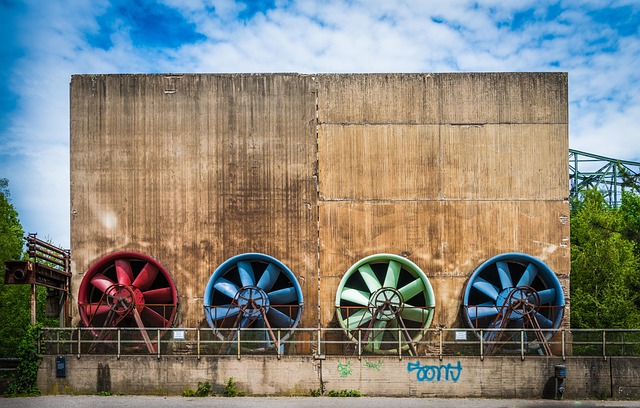
Real Estate: Strategically Meeting Demand through Adaptable Logistics
Real Estate developers must align investments with evolving logistics demands to foster sustainable…….

E-commerce Expansion: Warehouses & Optimal Real Estate Strategy
The rapid growth of e-commerce drives demand for strategic warehousing solutions, with global sales…….
Real Estate Booms Near Major Highways: Strategic Insights
Real Estate developers strategically position projects near major highways to capitalize on increase…….
Real Estate Strategies Fuel E-commerce Warehouse Revolution
The rapid growth of e-commerce demands efficient warehousing strategies. Real estate professionals l…….
Real Estate Strategies Fuel Efficient Supply Chains
Strategic real estate placement for distribution centers optimizes global supply chains, enhancing e…….

Steady Real Estate Demand: Innovations in Logistics Navigate Market
Real Estate naturally relies on efficient logistics management for success, with a global warehousin…….
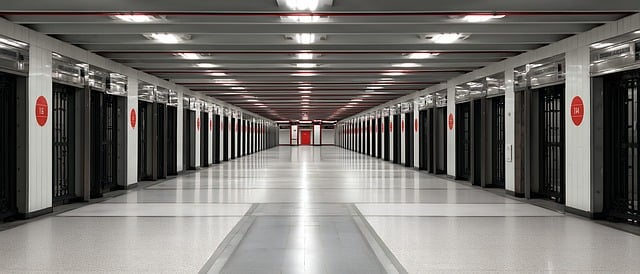
Real Estate: Strategizing to Meet Steady Logistic Demand
Real Estate is a critical component of modern logistics, supporting supply chains and market reach……..
Strategic Real Estate Drives Distribution Center Success
Strategic real estate location is key for distribution centers, optimizing operational efficiency, c…….