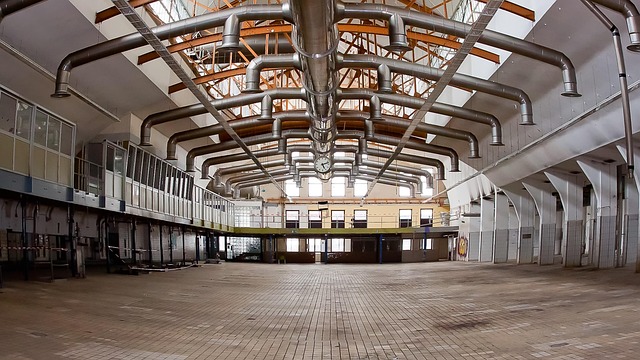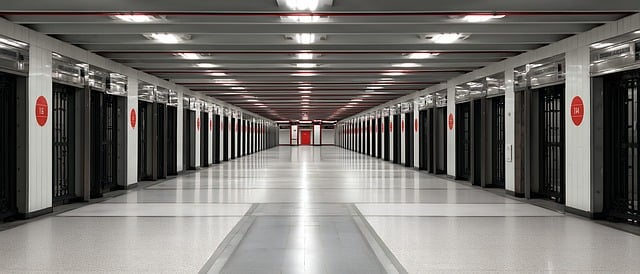
Real Estate is a critical component of modern logistics, supporting supply chains and market reach. High demand is driven by e-commerce growth, manufacturing needs, and crisis responses like COVID-19. Key trends include sustainability, data analytics for consumer behavior insights, and strategic location for efficiency. Logistics-focused investments offer resilience during economic downturns. Professionals can capitalize by identifying growing logistical regions, diversifying portfolios with logistics assets, and leveraging data analytics for informed decisions.
The real estate sector is constantly evolving, driven by a myriad of factors. Among these, the steady demand for logistics infrastructure stands out as a key determinant of market trends. Efficient supply chain management and distribution networks underpin modern economic growth, yet their demands on real estate often go unnoticed. This article delves into the intricate relationship between logistic needs and real estate, revealing how strategic land utilization and specialized facilities are fostering sustainable development. By exploring these dynamics, we offer valuable insights for professionals navigating this critical intersection.
Understanding Steady Demand: The Core Logic

Steady demand for real estate is not merely a fleeting trend but a fundamental aspect of modern logistics and urban development. To grasp this concept fully, one must delve into the core logic underpinning this phenomenon. In today’s interconnected world, businesses require stable, accessible spaces to facilitate supply chain operations, distribution networks, and market reach. This need transcends seasonal fluctuations or transitory economic trends, ensuring a consistent demand for commercial and industrial real estate.
Consider the global e-commerce surge as a prime example. Online retail giants have driven the demand for logistics hubs and distribution centers worldwide. These facilities act as central nodes, streamlining product movement from manufacturers to customers. Similarly, manufacturing industries require robust infrastructure to meet production targets and deliver goods on time. Factories often seek out strategic locations with easy access to transportation networks, further driving steady real estate demand in specific regions.
Expert analysis reveals that logistics-focused real estate investments have demonstrated resilience over the years. Despite economic downturns, essential infrastructure like warehouses and distribution centers maintain robust occupancy rates. This stability is attributed to their critical role in supporting supply chains. Real estate professionals can leverage this knowledge by identifying areas with growing logistical needs, such as emerging e-commerce hubs or regions undergoing industrial rejuvenation. Diversifying portfolios to include logistics assets can provide a hedge against market volatility while ensuring a steady income stream.
Real Estate's Role: Meeting Logistic Needs

Real estate plays a pivotal role in meeting the logistic needs of modern businesses and societies, ensuring steady demand and efficient operations. The strategic placement and design of commercial and industrial spaces directly impact supply chain management, product distribution, and service delivery. For instance, e-commerce giants like Amazon have invested heavily in real estate to build massive fulfillment centers, optimizing their ability to process and deliver orders promptly. These facilities are strategically located near population centers, leveraging real estate’s crucial connection to market accessibility.
The real estate sector’s role in logistics extends beyond mere infrastructure. It involves creating specialized spaces that cater to specific industry requirements. Data centers, for example, demand cool, secure environments, necessitating unique architectural designs and extensive infrastructure investments. Similarly, healthcare facilities require accessible patient rooms, state-of-the-art medical equipment storage, and dedicated loading docks for efficient supply chain management—all of which are facilitated by thoughtful real estate planning. These specialized spaces not only support economic growth but also enhance the overall efficiency and resilience of industries, demonstrating the industry’s profound impact on logistical networks.
Furthermore, real estate offers a strategic advantage in crisis scenarios. During the COVID-19 pandemic, many businesses had to adapt swiftly, creating a surge in demand for flexible and adaptable spaces. Real estate professionals stepped up by reconfiguring offices into remote work environments, providing essential support to companies navigating unprecedented challenges. This adaptability underscores the industry’s ability to respond to dynamic market conditions and logistical shifts, ensuring that real estate remains an indispensable component of modern supply chain management.
Strategies to Tap Into Sustainable Demands

The steady demand for real estate has long been driven by basic logistical requirements, ensuring individuals and businesses have suitable spaces to live, work, and operate. To tap into this sustainable demand, a strategic approach is essential. One effective strategy involves identifying and catering to emerging trends, such as the rise of e-commerce, which has significantly impacted the retail sector and subsequently, real estate needs. For instance, the surge in online shopping has led to a greater need for efficient distribution centers, changing the landscape of industrial real estate.
Sustainability is another critical factor that influences demand patterns. Environmentally conscious consumers and businesses are driving the market towards eco-friendly options, including green buildings and energy-efficient spaces. Real estate developers can capitalize on this trend by incorporating sustainable design principles into their projects, thereby appealing to a growing demographic of conscious buyers and tenants. A 2022 study revealed that nearly 75% of global consumers are willing to pay more for eco-friendly products and services, indicating a strong market for sustainable real estate practices.
Data analytics plays a pivotal role in understanding and forecasting demand. By leveraging advanced technologies, real estate professionals can gain valuable insights into consumer behavior, market trends, and emerging patterns. These predictive models enable developers and investors to make informed decisions regarding property development, location selection, and pricing strategies. For instance, analyzing demographic shifts and urban planning data can help identify areas with high potential for mixed-use developments that cater to both residential and commercial needs.