
Strategic real estate locations near major highways enjoy increased accessibility, footfall, and property values due to their connectivity. This proximity boosts local economies and attracts buyers seeking quicker commutes, leading to faster sales and premium prices. However, highways also bring noise, congestion, and pollution concerns that may impact neighborhood livability, requiring real estate professionals to balance economic advantages against potential drawbacks.
In today’s fast-paced world, strategic location is key in real estate. This article explores how properties situated near major highways can significantly boost accessibility, property values, and sales. We delve into the impact of highway proximity on localized real estate markets, highlighting both benefits and challenges. Understanding these dynamics is crucial for investors and developers navigating the dynamic landscape of the real estate sector.
Strategic Locations for Optimal Accessibility in Real Estate
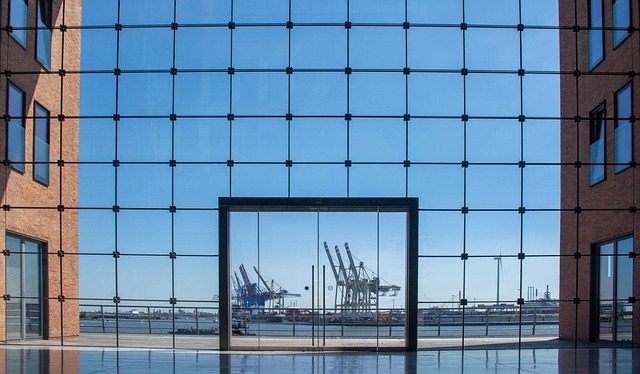
Strategic locations play a pivotal role in the real estate sector, offering immense advantages for businesses and residents alike. When it comes to major highways, the proximity provides an unparalleled opportunity for optimal accessibility. These strategic spots serve as gateways, connecting communities to broader networks, fostering economic growth and facilitating efficient transportation of goods and people.
Real estate developments situated near these highways often experience increased footfall and enhanced visibility, attracting businesses seeking prime locations. The convenience this offers, whether it’s easy access for customers or streamlined logistics for companies, significantly boosts property values and market appeal. This strategic positioning not only benefits commercial ventures but also residential areas, as it encourages vibrant communities with seamless connectivity to vital transportation arteries.
Highway Proximity: Boosting Property Values and Sales

Proximity to major highways can significantly impact real estate markets, often resulting in higher property values and increased sales. This is largely due to the accessibility it offers. Homebuyers today seek convenient commutes, and being near a highway ensures quicker travel times to nearby cities, suburbs, or even major airports. The convenience of easy access to transportation networks enhances the appeal of these properties, making them more desirable and often commanding premium prices in the real estate market.
Moreover, highways facilitate better connectivity, which is a significant selling point for potential buyers. Easy accessibility can boost local economies, attract businesses, and create job opportunities, thus increasing the overall desirability of the area. As a result, properties situated near major thoroughfares often experience higher demand, leading to quicker sales and potentially larger returns for sellers in the real estate market.
Major Highways' Impact on Localized Real Estate Markets

Major highways, as vital arteries of transportation, significantly influence localized real estate markets. Their proximity offers both advantages and challenges for nearby properties. On one hand, easy accessibility attracts businesses, draws in potential residents, and enhances the overall desirability of the area, leading to increased property values. The presence of major highways can make locations more attractive for retail, industrial, and residential development, as they provide convenient access to broader markets.
However, this convenience also translates into higher noise levels, increased traffic congestion during peak hours, and potential environmental concerns related to air pollution. These factors may impact the comfort level of residents and the overall livability of the neighborhood. As such, real estate agents and investors must carefully consider the balance between the economic benefits of highway proximity and the potential drawbacks on property appeal and local community quality.