In real estate, understanding market trends and consumer behavior is crucial for informed decisions. Analyzing data can revolutionize property investment and sales strategies. From bustling areas to emerging neighborhoods, this guide navigates industry factors, enabling confident market moves and unlocking lucrative opportunities. For manufacturing facilities, efficient space utilization, smart design like vertical integration, modular layouts, strategic planning for growth, and advanced safety/security measures, including surveillance and emergency response plans, are key to maximizing productivity, protecting assets, and ensuring employee safety.
Manufacturing excellence hinges on tailored facilities. In today’s competitive landscape, real estate plays a pivotal role in shaping successful production outcomes. From customized layouts designed for specialized production lines to efficient space utilization maximizing output, optimal industrial real estate is crucial. Moreover, prioritizing safety and security measures ensures a robust and secure operational environment. This comprehensive guide explores these essential elements, providing insights into creating manufacturing facilities that drive efficiency, productivity, and sustainability.
Customized Layouts for Specialized Production Lines
Efficient Space Utilization: Maximizing Output

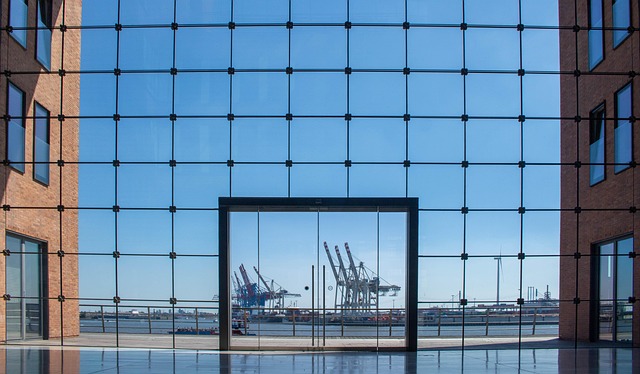
Manufacturing facilities, to thrive in today’s competitive landscape, must master the art of efficient space utilization. Every square meter counts when maximizing output and productivity. Smart design strategies, such as vertical integration and modular layouts, allow for streamlined workflows and flexible operations. By optimizing floor plans, manufacturers can reduce wasted real estate, enhance material flow, and create a more conducive environment for advanced machinery and automated processes.
Efficient space utilization isn’t just about physical layout; it involves strategic planning to accommodate growth, changing production demands, and the integration of new technologies. Well-planned facilities ensure that operations are uncluttered, workers are ergonomically positioned, and resources are easily accessible. This translates into faster turnaround times, reduced setup costs, and improved overall efficiency, ultimately boosting profitability in a highly competitive market.
Safety and Security Measures in Industrial Settings
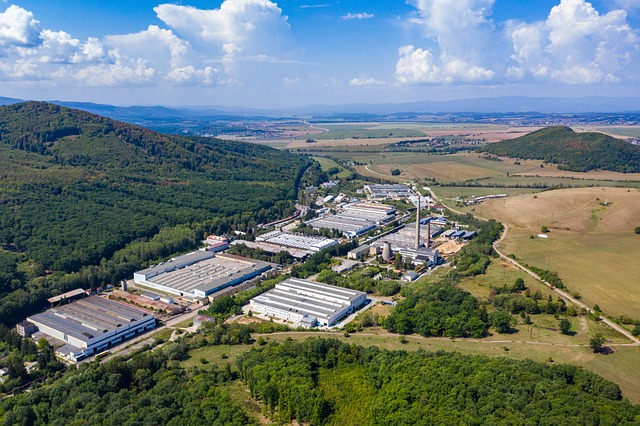
Manufacturing facilities, given their intricate machinery and high-value assets, necessitate robust safety and security protocols. In terms of real estate, these measures go beyond basic structural integrity to encompass a comprehensive approach that includes advanced surveillance systems, access control mechanisms, and well-designed emergency response plans. By integrating such features, factories can mitigate risks associated with industrial accidents, theft, and unauthorized access, ensuring the safety of both employees and valuable equipment.
The implementation of these safety and security measures involves strategic planning to create a secure environment. This includes installing fire detection systems, regular maintenance checks on machinery to prevent failures, and training staff in emergency protocols. Additionally, the layout of the facility should account for clear evacuation routes and well-lit areas, further enhancing overall workplace safety.