Strategic site selection for manufacturing facilities considers accessibility, infrastructure, environmental impact, resources, and markets. Proximity to transportation hubs and established infrastructure boost efficiency and minimize downtime. Sustainable practices enhance long-term viability. Real estate optimization through strategic space planning, equipment placement, and smart storage increases productivity and reduces costs. Advanced technologies like automation and robotics further optimize real estate. Tailored equipment and industry-specific layouts maximize machinery efficiency, improve product quality, market competitiveness, and safety. Consulting experts ensures suitable technology choices for tailored real estate investments.
Manufacturing facilities play a pivotal role in driving economic growth and sustaining modern society. However, the evolving nature of industries presents a challenge: meeting the specialized requirements of diverse production needs. Real estate, as the backbone of industrial infrastructure, must adapt to these demands. This article delves into the crucial aspects that shape the design and development of modern manufacturing facilities, ensuring they remain competitive and efficient. By exploring strategic considerations, we provide valuable insights for real estate professionals aiming to cater to the dynamic landscape of industrial space.
Assessing Land: Site Selection for Manufacturing
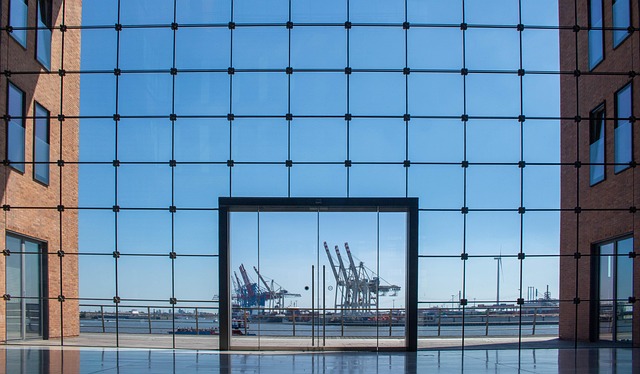
Manufacturing facilities require more than just state-of-the-art equipment; they necessitate strategic site selection for optimal performance and sustainability. Assessing land is a critical step in this process, as it directly influences operational efficiency, cost-effectiveness, and workforce attraction. Real estate plays a pivotal role in shaping the success of manufacturing ventures.
Key considerations during site assessment include accessibility, infrastructure availability, environmental impact, and proximity to raw material sources and markets. For instance, a facility located near transportation hubs can streamline logistics, reduce delivery times, and lower operational costs. Data from industry reports suggest that close proximity to transportation networks can boost supply chain efficiency by up to 20%. Furthermore, sites with established infrastructure, such as utility connections and telecommunications networks, can significantly expedite construction and minimize downtime during setup.
Environmental factors are equally vital. Manufacturing facilities should be situated in areas with minimal ecological disruption, considering water resources, air quality, and land usage. Sustainable practices, including waste management strategies and energy-efficient design, can also enhance a facility’s long-term viability. For example, selecting sites with renewable energy options like solar or wind power can reduce operational costs and contribute to environmental responsibility. Additionally, assessing potential risks from natural disasters or extreme weather patterns is essential for ensuring business continuity.
Expert advice emphasizes the importance of engaging specialized real estate consultants who understand manufacturing needs. These professionals can provide valuable insights into local market trends, regulatory requirements, and negotiable terms. They facilitate informed decision-making by evaluating land based on its potential to support current and future manufacturing goals, ensuring that the chosen site becomes a cornerstone for operational success rather than a bottleneck.
Designing Spaces: Layout and Real Estate Optimization
Manufacturing facilities are not merely industrial spaces; they are complex ecosystems designed to optimize production processes. One critical aspect often overlooked but significantly influencing overall efficiency is the layout and real estate optimization within these facilities. The strategic design of spaces can lead to enhanced productivity, improved workflow, and reduced operational costs. Every square meter counts when accommodating machinery, storage, and staff—a principle that underscores the necessity for meticulous planning.
Consider a case study of a global automotive manufacturer that recently renovated its assembly line. By reconfiguring the floor plan, they managed to consolidate operations previously spread across multiple levels. This reorganization resulted in a 15% increase in production capacity without expanding the physical footprint. The key lay in utilizing vertical space more efficiently and implementing a modular design adaptable to changing market demands. Similarly, food processing plants can benefit from optimizing real estate by employing flexible layouts that accommodate various production lines and ensure easy cleaning and sanitation.
Real estate optimization isn’t merely about maximizing space; it’s about creating an environment conducive to manufacturing excellence. This involves strategic positioning of equipment to minimize material handling and reduce travel time for workers, as well as incorporating smart storage solutions to cut down on inventory management costs. Advanced technologies like automation and robotics also play a pivotal role in optimizing real estate by freeing up valuable floor space previously occupied by manual labor. Experts suggest that facilities can achieve significant improvements by regularly reviewing and updating layout designs, staying abreast of industry trends, and leveraging data analytics for informed decision-making regarding space allocation.
Specialized Equipment: Facilitating Efficient Operations

Manufacturing facilities are not one-size-fits-all operations; each industry and even individual plants have distinct requirements, necessitating specialized equipment to ensure optimal efficiency. Real Estate plays a pivotal role in this, as the layout and design of manufacturing spaces directly impact the functionality and productivity of the machinery within. For instance, automotive plants require vast assembly lines with advanced robotic arms and precise tooling, while pharmaceutical facilities demand sterile environments equipped with specialized machines for cleanroom operations. This dedicated equipment goes beyond basic production tools; it includes state-of-the-art robotics, computer numerical control (CNC) machines, automated storage and retrieval systems, and advanced quality assurance technology.
The integration of such specialized machinery streamlines processes, reduces human error, and enhances overall productivity. For example, robotic arms can handle repetitive tasks with unparalleled precision, freeing up workers to focus on more complex operations. CNC machines, often employed in metalworking, ensure exacting measurements and consistent quality across batches. Automated storage systems optimize inventory management, allowing for rapid retrieval of materials during production runs. These technological advancements not only speed up manufacturing processes but also contribute to a safer work environment by minimizing the risk of workplace injuries associated with manual labor.
When designing or upgrading manufacturing facilities, it is crucial to consult with industry experts and equipment manufacturers to identify the most suitable technologies for specific operations. This strategic approach ensures that real estate investments translate into increased productivity, improved product quality, and enhanced competitiveness in the market. Moreover, staying abreast of technological trends enables manufacturers to stay ahead of industry shifts, incorporating innovative solutions that drive efficiency gains and foster continuous improvement.