Manufacturing facilities require strategic real estate planning to optimize productivity, sustainability, and safety. Key considerations include space design tailored to industry needs, accessibility, utility services, environmental regulations, and future expansion potential. Expert consultation, feasibility studies, and collaboration with architects integrate sustainable features, enhance employee well-being, attract talent, and ensure regulatory compliance, fostering a competitive and resilient manufacturing landscape.
Manufacturing facilities play a pivotal role in driving economic growth and sustaining modern lifestyles. However, meeting the evolving demands of industry presents significant challenges for real estate developers and facility managers. Specialized features such as advanced automation, flexible design, and eco-friendly technologies are increasingly mandatory to stay competitive. The need for adaptable and efficient manufacturing spaces has never been more acute. This article delves into the strategies and considerations that enable developers to create cutting-edge facilities equipped to meet the stringent requirements of tomorrow’s industrial landscape.
Evaluating Land and Real Estate Needs for Manufacturing
Manufacturing facilities, far from being generic industrial spaces, demand specialized features tailored to their unique operational needs. A critical yet often overlooked aspect of this process is evaluating land and real estate requirements. The choice of location significantly influences a manufacturing plant’s efficiency, sustainability, and long-term viability.
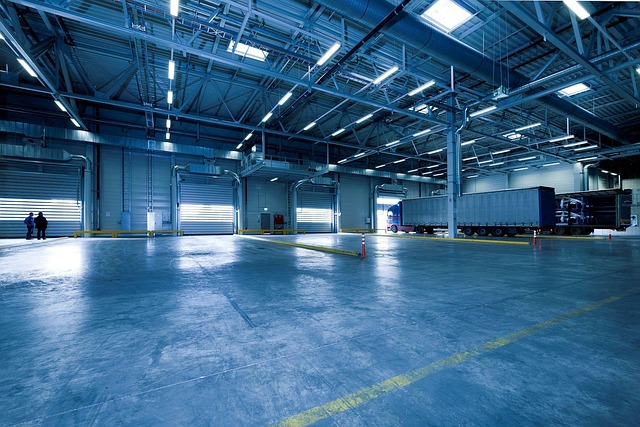
When assessing real estate for manufacturing purposes, several key factors come into play. Firstly, consider the facility’s space needs; this includes not just floor area but also height ceilings to accommodate machinery, loading docks for efficient material handling, and clear aisles for safety and maintenance. Secondly, accessibility is paramount. A strategic location with easy access to transportation networks, including highways, railways, and ports, ensures timely delivery of raw materials and facilitates the movement of finished goods. Proximity to a skilled labor pool also significantly impacts recruitment and retention efforts.
Moreover, environmental considerations cannot be ignored. Factories should ideally be situated in areas with adequate utility services like water, electricity, and natural gas, while also being mindful of local environmental regulations. Zoning laws, land-use plans, and potential for future expansion are other critical real estate considerations. For instance, a factory requiring significant waste management operations might face challenges in securing suitable locations. Data from recent studies shows that companies locating in areas with proactive environmental policies experience lower operational costs due to reduced compliance issues.
In terms of actionable advice, manufacturers should conduct thorough site assessments and feasibility studies before committing to any location. Engaging experts in real estate and industrial planning can provide valuable insights into market trends, zoning changes, and potential risks. Additionally, staying informed about local economic development initiatives can offer opportunities for strategic partnerships or incentives. By meticulously evaluating land and real estate needs, manufacturers can establish robust facilities that not only meet current demands but also adapt to future challenges and market dynamics.
Designing Facilities with Specialized Layouts and Equipment
Manufacturing facilities are not one-size-fits-all operations; each industry has its own unique requirements and challenges. Therefore, designing these facilities with specialized layouts and equipment is paramount to ensure efficiency, safety, and productivity. The real estate natural plays a crucial role in this process, as it’s more than just providing space—it’s about maximizing functionality within the existing footprint or strategically selecting locations that accommodate specific needs.
For instance, consider a food processing plant, which demands strict sanitation protocols and a layout designed to prevent cross-contamination. This could involve dedicated areas for receiving raw materials, production lines with ample space for machinery, and separate zones for packaging and shipping. Alternatively, an electronics manufacturer may require intricate wiring and assembly lines that necessitate precise routing and advanced equipment placement. These specialized requirements extend beyond traditional office or industrial spaces, requiring expert planning and consideration of factors like traffic flow, noise levels, and environmental controls.
Expert insights suggest that prioritizing flexibility is key in modern manufacturing facilities. This adaptability allows for changes in production needs, new technology adoption, and future expansion. Real estate professionals should collaborate closely with facility designers, engineers, and end-users to understand these evolving demands. By integrating advanced technologies like automation, robotics, and IoT (Internet of Things) devices, manufacturers can streamline operations, reduce human error, and improve overall productivity. Additionally, efficient use of space through modular designs and vertical integration can optimize real estate investments while accommodating specialized equipment and processes.
Data from recent studies indicates that facilities with strategic layouts and modern amenities attract top talent, increase employee satisfaction, and enhance retention rates—all vital factors for long-term success in a competitive manufacturing landscape. As such, investing time and resources into thoughtful facility design is not merely an amenity; it’s a strategic decision that can drive operational excellence, reduce costs, and foster innovation within the manufacturing sector.
Integrating Sustainability and Safety Features in Manufacturing Spaces

Manufacturing facilities are not just industrial spaces; they are complex ecosystems where productivity, efficiency, and safety intertwine. Integrating sustainability and safety features is no longer a luxury but an operational necessity. Real Estate plays a pivotal role in this transformation by providing the canvas upon which these critical elements can be painted. For instance, green roofs and vertical gardens not only enhance aesthetics but also offer insulation, reduce noise pollution, and absorb carbon dioxide. According to a study by the U.S. Department of Energy, industrial buildings that incorporate sustainable design elements can achieve energy savings of up to 25%.
Safety features must be meticulously designed, keeping in mind the diverse workforce and evolving risks. Smart sensors for gas leaks, automated fire suppression systems, and advanced surveillance technology are becoming standard fixtures. These technologies not only safeguard workers but also streamline maintenance and emergency response. For instance, a modern manufacturing facility might employ a network of IoT (Internet of Things) devices to monitor equipment health in real-time, predict failures, and prevent costly downtime.
Real Estate professionals can facilitate this integration by collaborating with architects and engineers from the outset. Co-creating sustainable and safe facilities requires a holistic approach that considers space planning, material selection, and infrastructure design. Incorporating natural light and ventilation not only reduces energy consumption but also improves employee well-being. Furthermore, leveraging real-time data analytics for facility management can lead to significant operational improvements, enhancing both sustainability and safety metrics.
Ultimately, the successful integration of sustainability and safety features in manufacturing spaces is a strategic imperative. It drives competitiveness, attracts talent, and ensures compliance with evolving regulations. By aligning Real Estate strategies with these goals, manufacturers can create not just efficient operations but also thriving, resilient work environments that stand the test of time.