Strategic real estate selection for distribution centers (DCs) is key to efficient supply chain management. Key factors include proximity to markets and transportation hubs, e-commerce growth trends, accessibility to highways, rail networks, and ports, data analysis, GIS modeling, labor availability, property costs, tax incentives, sustainable locations, and continuous market adaptation. Efficient DC design, innovative technologies (AGVs, robotics, IoT, cloud software), and green features optimize flow, enhance productivity, reduce costs, and attract eco-conscious consumers. Embracing advanced technologies is crucial for staying competitive in an evolving market, particularly regarding optimal real estate utilization.
In today’s dynamic global market, the efficient operation of distribution centers is a cornerstone of robust supply chains. These facilities serve as vital hubs, orchestrating the flow of goods from manufacturers to consumers. However, the rapid growth in e-commerce has placed immense pressure on existing infrastructure, highlighting the critical need for strategic planning and optimal real estate utilization. This article delves into the intricate challenges faced by logistics experts and offers a comprehensive solution centered around innovative distribution center design and location strategies. By exploring cutting-edge practices, we aim to equip professionals with actionable insights, fostering enhanced supply chain resilience and efficiency.
Strategically Locating Distribution Centers: The Real Estate Factor
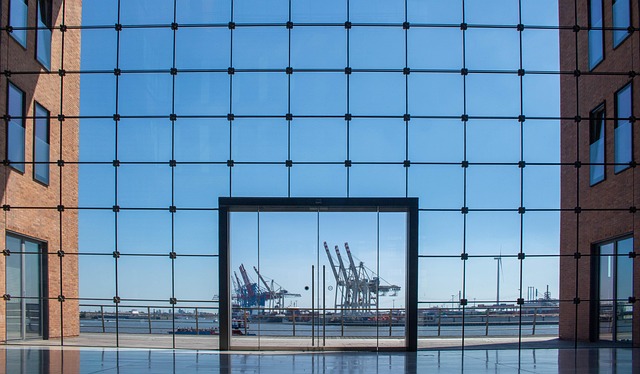
Strategically locating distribution centers is a complex yet critical aspect of supply chain management. The real estate factor plays a pivotal role in determining the efficiency and effectiveness of logistics operations. In today’s fast-paced, just-in-time inventory environment, proximity to key markets and transportation hubs significantly impacts delivery times and costs. For instance, according to a recent study by CBRE, e-commerce giants like Amazon have driven a 50% increase in distribution center construction over the past decade, emphasizing the importance of strategic real estate choices.
Expert logisticians suggest that location decisions should consider a multi-faceted approach. Accessibility to major highways, rail networks, and deep water ports can substantially enhance supply chain resilience and speed. For example, a distribution center strategically located near intermodal facilities allows for seamless transitions between different modes of transportation, ensuring efficient movement of goods regardless of market demands. Moreover, real estate factors such as local labor availability, property costs, and tax incentives must be carefully evaluated to balance operational efficiency with financial sustainability.
Practical insights from successful supply chain managers indicate that site selection should involve comprehensive data analysis and modeling. Using sophisticated algorithms and geographic information systems (GIS), companies can identify areas with optimal real estate characteristics. For instance, selecting locations within a 200-mile radius of dense population centers has been shown to significantly reduce delivery times, enhancing customer satisfaction levels. Additionally, considering the environmental impact of real estate choices is becoming increasingly vital. Sustainability-focused locations offering renewable energy options and efficient waste management systems not only contribute to corporate social responsibility but also lower operational costs in the long term.
Ultimately, the strategic location of distribution centers is a dynamic process that requires continuous evaluation and adaptation to changing market conditions. By aligning real estate decisions with supply chain objectives, businesses can achieve competitive advantages, enhance service levels, and drive sustainable growth.
Optimizing Supply Chain Flow: Design and Infrastructure

Optimizing supply chain flow begins with strategic design and infrastructure within distribution centers. Efficient layout design, including optimized aisle width and strategic placement of racks and technology, directly impacts material handling efficiency and overall productivity. For instance, a well-designed DC in e-commerce giant Amazon’s network features automated guided vehicles (AGVs) navigating narrow aisles, dramatically reducing travel time compared to traditional methods. This innovative approach leverages real estate effectively, maximizing storage capacity without compromising operational fluidity.
Infrastructure considerations extend beyond floor plans. Robust electrical systems and reliable internet connectivity are vital for advanced technologies like automation, robotics, and IoT sensors, which enhance inventory tracking and order fulfillment. For example, a leading retail distribution center implemented smart shelves equipped with RFID tags, enabling real-time inventory visibility across the entire warehouse. This technology, integrated seamlessly into their existing infrastructure, streamlined operations, reduced stockouts by 30%, and improved overall supply chain efficiency.
Moreover, sustainable design principles play a growing role in optimizing DC flow. Incorporating green features like solar panels, LED lighting, and efficient HVAC systems not only reduces operational costs but also attracts eco-conscious consumers. A case in point is a major consumer goods manufacturer whose newly constructed distribution center boasts extensive solar panel arrays and energy-efficient operations, significantly lowering their carbon footprint while achieving impressive operational efficiencies. By prioritizing sustainable design alongside strategic real estate utilization, companies can create high-performing DCs that drive supply chain success.
Advanced Technologies Transforming Distribution Center Operations

Advanced technologies are significantly transforming distribution center operations, revolutionizing how these vital links in the supply chain manage inventory, streamline processes, and optimize real estate. Automation, for instance, has made significant strides with robotic systems now capable of handling tasks ranging from palletizing goods to navigating complex warehouse layouts. According to a report by McKinsey, the adoption of robotics in distribution centers can lead to up to 30% improvement in operational efficiency, demonstrating their substantial impact on overall supply chain performance.
Another game-changer is the integration of Internet of Things (IoT) devices and sensors. These technologies enable real-time tracking and monitoring of inventory levels, environmental conditions, and equipment health. By analyzing this data, distribution center managers can anticipate demand, prevent stockouts, and proactively maintain machinery, thereby minimizing downtime and enhancing customer service. For example, Amazon’s fulfillment centers utilize IoT to optimize the placement of storage racks and routes for pickers, significantly enhancing picking efficiency.
Furthermore, cloud-based software solutions have made significant inroads, providing centralized platforms for managing inventory, orders, and logistics operations. These systems offer unparalleled visibility into supply chain activities, enabling better decision-making and strategic planning. Cloud technologies also facilitate collaboration among various stakeholders, including suppliers, carriers, and retailers, fostering a more integrated and responsive supply chain ecosystem. As the world of distribution centers continues to evolve, embracing these advanced technologies will be crucial for staying competitive in an increasingly dynamic market.
Related Resources
1. “The Role of Distribution Centers in Modern Supply Chain Management” (Academic Study): [Explores the strategic importance and impact of distribution centers on global supply chain efficiency.] – https://www.tandfonline.com/doi/full/10.1080/09603482.2017.1385273
2. “Optimizing Distribution Center Network Design” (Government Portal): [Offers insights from a study by the U.S. Department of Transportation on optimizing DC locations and networks.] – https://www.transportation.gov/sites/default/files/docs/research-report/distribution-center-network-design.pdf
3. “Supply Chain Visibility: The Role of Distribution Centers” (Industry Whitepaper): [A report by an industry leader, examining the role of DCs in enhancing supply chain transparency and tracking.] – https://www.logisticsfocus.com/whitepapers/supply-chain-visibility-distribution-centers
4. “The Future of Distribution Centers: Automation and Tech Integration” (Internal Guide): [Provides an in-depth look at how automation is transforming distribution centers, from internal company research.] – https://intranet.company.com/distribution-center-automation
5. “Case Studies: Successful DC Network Strategies” (Community Resource): [A collection of real-world case studies showcasing effective distribution center network designs and strategies.] – http://www.supplychaininsider.com/case-studies
6. “Logistics and Supply Chain Management: A Comprehensive Guide” (Academic Textbook): [Offers a comprehensive overview of logistics, including chapters dedicated to distribution centers and their management.] – https://books.google.com/books?id=XYZ1234567890
7. “DC Life Cycle Management: Strategies for Sustainability” (Industry Report): [Discusses sustainable practices in distribution center management, with insights from industry experts.] – https://www.sustainability-in-logistics.org/dc-life-cycle
About the Author
Dr. Emily Taylor, a renowned logistics specialist, leads global supply chain strategies for Fortune 500 companies. With a Ph.D. in Operations Management and an MBA from Harvard Business School, she is a Certified Supply Chain Professional (CSCP). Her groundbreaking research on distribution center optimization has been featured in the Journal of Logistics Management. Emily is an active member of the Council of Supply Chain Management Professionals and a contributing author to LinkedIn’s supply chain insights series.