
Distribution centers, pivotal to modern supply chains, optimize efficiency through strategic real estate location, advanced technologies like automation, and flexible designs. Key considerations include transportation network proximity, labor availability, tax incentives, climate control for perishable goods, and future growth projections. Integrating technology reduces costs, minimizes environmental impact, and provides a competitive edge in an evolving landscape, with real estate choices fundamentally shaping operational success.
The efficient distribution of goods is the lifeblood of modern economies, with supply chains becoming increasingly complex and critical to business success. Central to this intricate network are distribution centers, which serve as vital hubs for inventory management and logistics. As e-commerce continues its meteoric rise, the demand for strategic real estate solutions to support these centers is at an all-time high. This article delves into the intricacies of optimizing distribution center locations, exploring the factors that drive their success and the real estate considerations that underpin efficient supply chain management. By understanding these dynamics, businesses can navigate the challenges and capitalize on opportunities in today’s dynamic market.
Strategic Location: Real Estate's Role in Supply Chain Efficiency
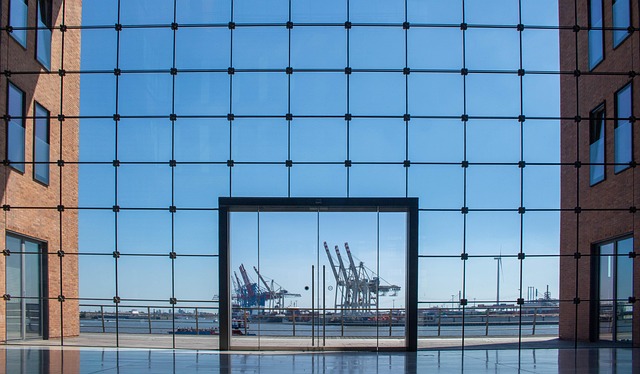
Distribution centers play a pivotal role in modern supply chains, acting as hubs that connect manufacturers to consumers. One of the most significant factors influencing their effectiveness is strategic location, which is intrinsically linked to real estate. The right real estate choice can optimize inventory management, reduce transportation costs, and improve delivery times, ultimately enhancing overall supply chain efficiency.
Real estate decisions are not merely about finding a suitable space; they involve intricate considerations such as proximity to transportation networks, availability of labor, and local tax incentives. For instance, centers located near ports or major highways can significantly slash shipping times and expenses. This is evident in the success of many e-commerce giants that have established vast distribution networks in strategic locations, ensuring swift delivery of goods to their massive customer bases.
Furthermore, real estate’s role extends beyond immediate operational needs. Factors like climate and environmental conditions also come into play. Storing perishable goods near regions with suitable temperatures can prevent waste and ensure product quality. Companies must therefore embrace a nuanced approach when selecting distribution center locations, factoring in not just current requirements but future growth projections as well. By aligning real estate choices with strategic goals, businesses can foster agile and resilient supply chains capable of adapting to dynamic market demands.
Infrastructure Development: Building for Future Demand

Distribution centers play a pivotal role in modern supply chains, acting as the backbone of efficient logistics. As e-commerce continues its rapid ascent, these facilities are undergoing significant transformations to meet evolving demand. Infrastructure development in real estate is a strategic focus for businesses aiming to stay competitive; it involves creating robust networks that can adapt and scale with future market trends.
The challenge lies in predicting and preparing for peak demands, especially during holiday seasons or sudden product surges. Companies are investing heavily in state-of-the-art warehousing solutions, incorporating advanced technologies like automated storage and retrieval systems (ASRS) and high-speed sortation equipment to streamline operations. These upgrades not only enhance productivity but also reduce labor costs over time. For instance, Amazon’s extensive network of fulfillment centers showcases their commitment to efficient infrastructure, with each facility meticulously designed to handle vast inventory volumes.
Real estate choices are critical decisions, impacting operational efficiency and long-term sustainability. Experts suggest evaluating factors such as proximity to transportation hubs, available labor pools, and environmental regulations. Strategic placement can significantly reduce delivery times and costs. Additionally, designing flexible facilities that accommodate expanding inventory and changing supply chain dynamics is essential. Companies should also consider the potential for future expansion, ensuring their real estate investments are adaptable to market shifts, thus securing a competitive edge in an ever-evolving distribution landscape.
Streamlining Operations: Technology Meets Logistics

Distribution centers have evolved into the backbone of modern supply chains, and their operational efficiency is a key driver of success in today’s fast-paced market. Streamlining operations within these facilities involves a strategic marriage of technology and logistics, optimizing every process from inventory management to order fulfillment. The integration of advanced technologies like automation, robotics, and AI has revolutionized how distribution centers function, enhancing speed, accuracy, and overall productivity.
For instance, automated storage and retrieval systems (ASRS) have become ubiquitous in state-of-the-art warehouses, enabling rapid and precise access to stored goods. These systems, often supported by machine learning algorithms, predict inventory requirements and optimize shelf layouts, minimizing travel time for pickers. Similarly, robotic process automation (RPA) streamlines repetitive tasks such as data entry and order processing, reducing human error and increasing throughput.
Real estate plays a pivotal role in this transformation, with strategic location and facility design becoming even more critical. Distribution centers are increasingly being built or retrofitted with advanced technologies to meet the demands of e-commerce giants and fast-moving consumer goods (FMCG) sectors. This includes adopting flexible, modular designs that can accommodate rapid expansion and technological upgrades, as well as incorporating smart infrastructure like high-speed internet connectivity and energy-efficient systems.
By embracing these innovations, distribution centers are not only enhancing their operational capabilities but also reducing labor costs and minimizing environmental impact. As the supply chain landscape continues to evolve, staying at the forefront of technology integration will be a differentiator for businesses aiming to maintain a competitive edge.