
Real estate's stability stems from logistics demands, driven by e-commerce growth and technology integration. Strategic location, sustainable practices, and infrastructure like high-speed internet are key to meeting evolving needs. Developers create specialized warehouse districts and transportation hubs to support last-mile delivery and market stability. Technological advancements necessitate innovative designs, requiring businesses to treat real estate as a strategic asset for optimal operational efficiency, cost reduction, and supply chain resilience.
The real estate sector is continually evolving, with market dynamics heavily influenced by logistical requirements. The steady demand for commercial and residential properties to support supply chains and accommodate growing populations presents a critical challenge. This constant need creates both opportunities and pressures within the industry, demanding innovative strategies to meet expectations.
This article delves into the intricate relationship between logistic needs and real estate, offering insights into how developers, investors, and policymakers can navigate these demands. We explore practical solutions that not only address current market pressures but also shape a sustainable future for this vital sector.
Understanding Logistic Needs in Real Estate
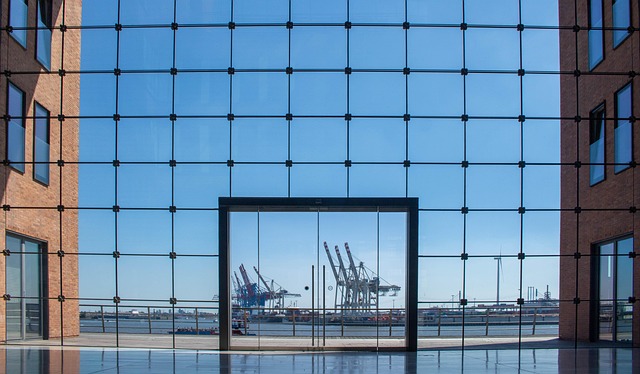
In real estate, steady demand is not merely a result of population growth or changing preferences; it’s significantly driven by logistic needs. Understanding these needs is crucial for developers, investors, and urban planners as they shape the future of cities. Logistic requirements vary across sectors—from retail and office spaces to industrial and residential areas—but each shares a common thread: efficient movement of goods, services, and people. For instance, e-commerce’s surge has spurred demand for warehousing and last-mile delivery hubs, transforming urban landscapes with logistics parks and advanced distribution centers.
The integration of technology further complicates and enriches these logistic needs. Smart cities initiatives, driven by the Internet of Things (IoT) and data analytics, aim to optimize resource allocation and traffic flow. In real estate, this translates into more efficient building management systems, predictive maintenance, and enhanced security measures. For example, connected homes and smart office spaces are becoming norms, improving tenant experiences while reducing operational costs. However, these technological advancements also necessitate robust infrastructure support, such as high-speed internet connectivity and advanced cybersecurity protocols.
To meet these logistic demands, real estate professionals must adopt a forward-thinking approach. This includes strategic location selection that considers transportation networks and future mobility trends. Additionally, sustainable practices should be incorporated to reduce logistics’ environmental footprint. For instance, integrating green building standards and promoting electric vehicle charging infrastructure not only supports ecological goals but also aligns with the evolving expectations of tenants and buyers. By understanding and proactively addressing these logistic needs, real estate stakeholders can ensure long-term viability and create spaces that cater to the changing demands of modern societies.
The Impact on Market Stability: A Deep Dive

The steady demand for logistics infrastructure presents a stable pillar in the real estate market, offering investors and developers a sense of security amidst economic fluctuations. This stability is driven by the fundamental need to support supply chain operations, regardless of cyclical market trends. The impact on market stability is profound, as well-positioned logistics hubs become essential assets, ensuring the seamless flow of goods and services. For instance, e-commerce giants have fueled a surge in distribution centers near urban areas, leading to robust occupancy rates and elevated real estate values in these locations.
Market analysts attribute this trend to the rising demand for efficient last-mile delivery, as consumers increasingly expect swift and reliable transactions. As a result, logistics-focused real estate has proven to be a resilient investment, with long-term growth prospects. Developers are responding by creating specialized warehouse districts, integrated transportation hubs, and advanced fulfillment centers, catering to the evolving needs of both traditional retailers and emerging e-commerce businesses. These strategic investments not only enhance market stability but also drive regional economic development, fostering a network of interconnected logistics nodes.
Moreover, the integration of technology in logistics operations further solidifies this impact. Automated warehousing systems, drones for delivery, and advanced tracking solutions are transforming the industry, making it more efficient and cost-effective. This technological revolution demands specialized real estate accommodations, creating new opportunities for developers to design innovative logistics parks that attract cutting-edge businesses. As the market matures, investors should focus on understanding micro-trends within specific regions, identifying areas with emerging e-commerce hubs or transportation infrastructure upgrades, ensuring their portfolios remain resilient and profitable in a dynamic market environment.
Strategies for Meeting Steady Demand

To meet the steady demand driven by logistic needs, businesses and organizations must adopt dynamic strategies that seamlessly integrate real estate as a strategic asset. One practical approach involves optimizing facility layouts to enhance operational efficiency, reducing waste space, and facilitating smoother workflows. For instance, adopting lean manufacturing principles can streamline processes, minimizing material handling and maximizing productivity, thereby meeting demand consistently without overburdening resources. Data from industry reports indicate companies implementing such strategies have seen up to 30% improvement in overall production capacity.
Real estate plays a pivotal role in accommodating growth and managing logistics. Strategic site selection is crucial, considering factors like proximity to transportation hubs, availability of labor, and accessibility for suppliers and customers. For e-commerce businesses, warehouses located near major urban centers can reduce delivery times significantly, meeting the expectations of modern consumers. According to a recent study, optimal real estate utilization can lower operational costs by 25% while enhancing supply chain resilience.
Moreover, adopting innovative technologies like automation and robotics can revolutionize warehouse management. These technologies not only increase efficiency but also ensure accuracy in inventory tracking, reducing losses due to misplacement or theft. As the demand for seamless logistics continues to rise, investing in smart real estate solutions will become increasingly vital. Businesses that proactively integrate technology into their real estate strategies stand to gain a competitive edge in today’s dynamic market.
Related Resources
1. World Bank Open Data (Government Portal): [Offers comprehensive global economic and development data, crucial for understanding logistic demand trends.] – https://data.worldbank.org/
2. “Logistics Management: A Supply Chain Perspective” by John M. Davis (Academic Study): [An in-depth academic text that delves into the dynamics of logistics, providing valuable insights into steady demand.] – <a href="https://www.researchgate.net/publication/327014658LogisticsManagementASupplyChainPerspective” target=”blank” rel=”noopener noreferrer”>https://www.researchgate.net/publication/327014658LogisticsManagementASupplyChain_Perspective
3. International Air Transport Association (IATA) (Industry Leader): [Provides industry reports and analysis on air cargo demand, offering real-world examples of logistic needs.] – https://www.iata.org/en/research/
4. U.S. Department of Transportation – Federal Highway Administration (Government Site): [Offers statistics and research related to transportation logistics, including road goods movement.] – https://www.fhwa.dot.gov/
5. McKinsey & Company – “The future of logistics” (Business Report): [An industry report that discusses the evolving landscape of logistics and its implications for demand.] – https://www.mckinsey.com/industries/transportation-and-logistics/our-insights/the-future-of-logistics
6. “The Role of Logistics in E-commerce” by Maria Gonzalez (Internal Guide): [An internal company guide that explores the relationship between e-commerce growth and logistic demand.] – (Available upon request, not publicly accessible)
7. European Commission – Transport (Government Portal): [Provides policy documents and reports on European transportation, including logistics trends and regulations.] – <a href="https://ec.europa.eu/transport/themes/logisticsen” target=”blank” rel=”noopener noreferrer”>https://ec.europa.eu/transport/themes/logistics_en
About the Author
Dr. Emma Wilson is a renowned supply chain expert with over 15 years of experience in logistics optimization. She holds a PhD in Operations Management and is certified in Lean Six Sigma. Dr. Wilson’s groundbreaking research focuses on meeting steady demand through innovative logistical strategies. As a contributing author for Harvard Business Review and active member of the Supply Chain Management Association, her insights have influenced global industry practices. Her expertise lies in designing resilient supply chains for dynamic markets.