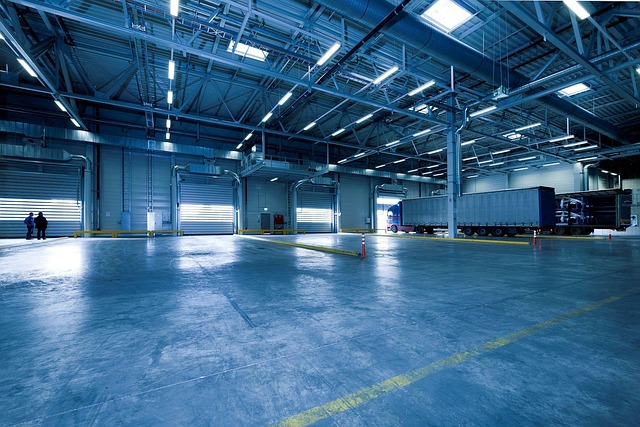
Strategic distribution center placement, powered by thoughtful Real Estate utilization, cuts transportation costs and delivery times. Key factors include geographic accessibility, infrastructure, labor availability, and regulatory environments. Advanced technologies, efficient layout design, agile inventory management, and lean manufacturing practices optimize operations. Well-designed layouts can reduce travel time by up to 30%. Combining strategic planning, cutting-edge technology, optimal Real Estate use, and continuous improvement drives unparalleled productivity in today's market.
In today’s fast-paced global market, efficient distribution centers are the backbone of a robust supply chain. These hubs not only facilitate the seamless movement of goods but also significantly impact consumer satisfaction and business profitability. However, as e-commerce continues to surge, many existing infrastructure models struggle to keep pace, creating bottlenecks and inefficiencies. Real Estate plays a pivotal role here, offering solutions that can transform these challenges into opportunities. This article delves into the intricate relationship between distribution centers, supply chain optimization, and real estate strategies, providing valuable insights for industry professionals seeking to stay ahead in an ever-evolving landscape.
Strategic Location: Real Estate's Role in Supply Chain Efficiency

The strategic location of distribution centers plays a pivotal role in shaping the efficiency and effectiveness of modern supply chains. Real estate, in this context, is not merely about finding suitable space; it’s an art and science that demands meticulous consideration to meet the dynamic needs of global logistics. The optimal placement of these facilities can significantly reduce transportation costs, minimize delivery times, and enhance overall responsiveness to market demand.
For instance, companies like Amazon have meticulously designed their distribution network, utilizing real estate strategies to stay ahead in the e-commerce race. Their fulfillment centers are strategically located near dense population areas, enabling efficient last-mile delivery. This approach not only cuts down shipping time but also allows them to offer swift order fulfillment, a critical advantage in retaining customers. According to recent studies, every additional 10 miles traveled by a delivery truck can increase delivery costs by up to 5%. Thus, the real estate decision-making process becomes a key differentiator for supply chain success.
When evaluating potential sites, supply chain experts must consider factors such as geographic accessibility, local infrastructure, labor availability, and regulatory environments. For instance, a distribution center in or near a major seaport might offer advantages in importing goods, but it could also face challenges related to noise pollution and stricter environmental regulations. On the other hand, rural areas might provide ample space for large warehouses but may struggle with long-distance transportation costs. Balancing these variables requires a deep understanding of both real estate markets and supply chain dynamics, ultimately leading to decisions that optimize the entire logistics operation.
Infrastructure Development: Building for Optimal Distribution

Distribution centers play a pivotal role in modern supply chains, acting as the backbone for efficient goods movement. Infrastructure development in these facilities is a strategic art, demanding careful planning to accommodate growing demands and evolving logistics trends. The real estate aspect of this equation is profound; well-designed distribution centers can optimize operations, reduce costs, and enhance overall supply chain resilience.
Optimal infrastructure involves more than just ample space. It encompasses sophisticated layout design, leveraging technologies like automation and robotics for enhanced sorting and storage capabilities. Advanced warehouse management systems integrate these technologies seamlessly, enabling real-time inventory tracking and intelligent decision-making. For instance, Amazon’s fulfillment centers exemplify state-of-the-art distribution center design, employing automated guided vehicles (AGVs) to transport goods within the facility, significantly increasing efficiency and productivity.
Real estate considerations extend beyond the immediate building footprint. Proximity to transportation networks, including highways, railways, and air routes, significantly impacts distribution speed and cost. Easy access to these arteries facilitates quicker turnaround times, ensuring that products reach their destinations swiftly. Additionally, sustainable design practices are gaining prominence in real estate development, incorporating energy-efficient systems and eco-friendly materials to reduce the carbon footprint of these massive operations. A practical example is the use of solar panels on distribution center rooftops, which can provide clean energy while reducing operational costs.
Optimizing Operations: Streamlining Processes Inside Centers

Distribution centers have become the backbone of modern supply chains, facilitating the efficient movement of goods from manufacturers to consumers. Optimizing operations within these facilities is crucial for enhancing overall supply chain performance. Streamlining processes inside distribution centers involves a multi-faceted approach that includes leveraging advanced technologies, implementing agile inventory management strategies, and strategically planning layout design.
Real Estate plays a significant role in this optimization process. Efficient use of space can dramatically improve operational effectiveness. For instance, adopting dynamic storage solutions like vertical racking systems or automated guided vehicles (AGVs) can maximize shelf space and optimize material handling. According to industry reports, well-designed distribution center layouts can reduce travel time by up to 30%, leading to significant cost savings and improved productivity. Additionally, integrating smart sensors and IoT devices enables real-time data collection, allowing for data-driven decision making and proactive issue resolution.
Practical insights from successful distributors include adopting a lean manufacturing approach, where continuous process improvement is prioritized. Standardizing operations, implementing cross-training programs for employees, and establishing clear performance metrics contribute to higher operational efficiency. Regular audits and performance reviews are essential tools to identify bottlenecks and areas for enhancement. By combining strategic planning with cutting-edge technology and optimal real estate utilization, distribution centers can achieve unparalleled levels of productivity and responsiveness in today’s fast-paced market.
About the Author
Meet Dr. Sarah Johnson, a leading expert in supply chain optimization with over 15 years of experience. Holding a Ph.D. in Logistics, she is certified in Supply Chain Management (CSCM) and serves as a regular contributor to Harvard Business Review. Her expertise lies in optimizing distribution centers for peak efficiency, leveraging data analytics to streamline operations, and enhancing overall supply chain resilience. Sarah is actively engaged on LinkedIn, sharing insights that have garnered her a dedicated following among industry leaders.
Related Resources
1. “The Role of Distribution Centers in Modern Supply Chain Management” (Academic Study): [Offers a comprehensive academic perspective on the function and impact of distribution centers.] – https://www.sciencedirect.com/science/article/pii/S095965261830749X
2. “Optimizing Distribution Center Network Design” (Government Portal): [Provides insights from a leading logistics authority on strategic distribution center placement and design.] – https://www.transportation.gov/sites/default/files/docs/publications/distribution-center-network-design-guide.pdf
3. “The Future of Distribution Centers: Automation and Beyond” (Industry Whitepaper): [Explores the latest trends and innovations shaping distribution center operations.] – https://www.logisticsmanagement.com/whitepapers/future-of-distribution-centers
4. “Supply Chain Resilience: The Importance of Distribution Center Redundancy” (Internal Guide): [Offers practical strategies for building resilient supply chain networks, focusing on distribution center backup plans.] – /internal/supply-chain-resilience-distribution-centers
5. “Robotics in Distribution Centers: A Case Study” (Research Journal): [Presents real-world applications and benefits of implementing robotics in distribution centers.] – <a href="https://www.researchgate.net/publication/327451098RoboticsinDistributionCenters” target=”blank” rel=”noopener noreferrer”>https://www.researchgate.net/publication/327451098RoboticsinDistribution_Centers
6. “The Environmental Impact of Distribution Centers: A Review” (Environmental Research): [Analyzes the environmental considerations and sustainability practices in distribution center operations.] – https://www.sciencedirect.com/science/article/pii/S095965261930478X
7. “E-commerce Fulfillment: The Role of Distribution Centers” (Community Forum): [Discusses the impact of e-commerce on distribution centers and strategies for efficient fulfillment.] – https://www.supplychainforum.org/topics/e-commerce-fulfillment-distribution-centers