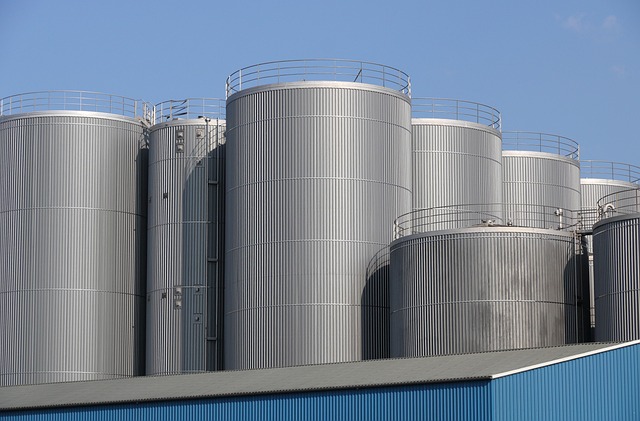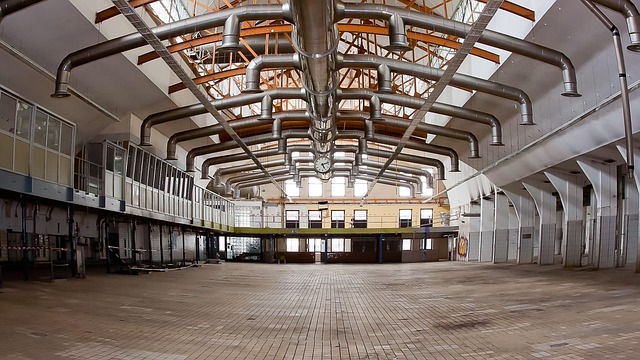
Manufacturing facilities require strategic real estate design tailored to specific industry needs, considering natural features, regulations, infrastructure, and specialized systems. Long-term planning ensures flexibility for future expansion. Modern manufacturing emphasizes sustainability through energy-efficient designs, water conservation, and eco-friendly practices, offering cost savings and environmental benefits. Strategic real estate choices align with long-term goals, optimizing performance and securing a competitive edge.
In today’s competitive market, the design and development of manufacturing facilities require specialized features to remain efficient, safe, and compliant. Real estate plays a pivotal role in shaping industrial landscapes, dictating space allocation for production lines, storage, and logistics. However, aligning these needs with available real estate can be a complex challenge. This article delves into the intricate considerations that go into optimizing manufacturing spaces, exploring innovative design solutions tailored to specific industry requirements. By examining these strategies, we aim to equip professionals with valuable insights to navigate this labyrinthine process successfully.
Assessing Land for Manufacturing: Real Estate Considerations
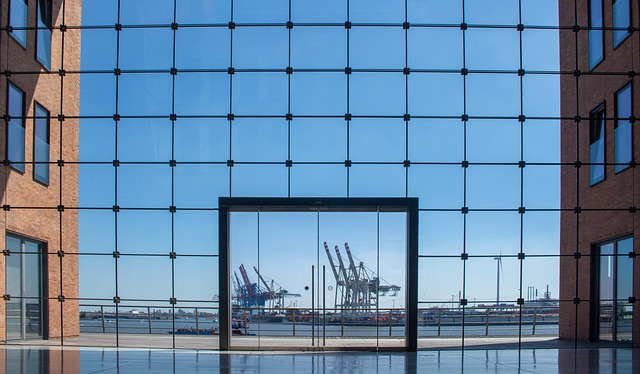
Manufacturing facilities are not one-size-fits-all; each industry has unique requirements, and real estate plays a pivotal role in meeting these needs. Assessing land for manufacturing involves a meticulous process that goes beyond basic location. Manufacturers must consider the natural features of the site, local regulations, and infrastructural capabilities to ensure optimal productivity and sustainability. For instance, a facility producing heavy machinery benefits from flat, open spaces with easy access for large vehicles and ample room for expansion. Conversely, a high-tech electronics factory may require terrain that facilitates efficient cooling systems and secure data centers.
Real estate experts emphasize the importance of conducting thorough site assessments to avoid costly mistakes. This includes analyzing soil composition, drainage patterns, and proximity to water sources, which can impact foundation work and waste management. Additionally, understanding local zoning laws is crucial; some areas may restrict certain types of manufacturing due to environmental or safety concerns. For instance, a study found that over 70% of U.S. cities have specific regulations regarding industrial land use, with many favoring mixed-use developments to enhance community integration. Businesses should also consider transportation networks—road accessibility and proximity to rail lines or ports—to ensure efficient material and product movement.
When making decisions, manufacturers should aim for strategic locations that offer a balance of natural advantages and infrastructural support. Investing in real estate due diligence can lead to significant long-term savings and better facility performance. For example, choosing a site with an existing power grid capable of handling the facility’s energy demands may reduce initial setup costs. Similarly, selecting land with adequate space for future expansion plans can prevent costly relocation or retrofitting processes down the line. By carefully considering these factors, manufacturers can establish robust operations, secure in the knowledge that their real estate choices align with their strategic goals.
Designing Specialized Spaces: Facilities for Every Need
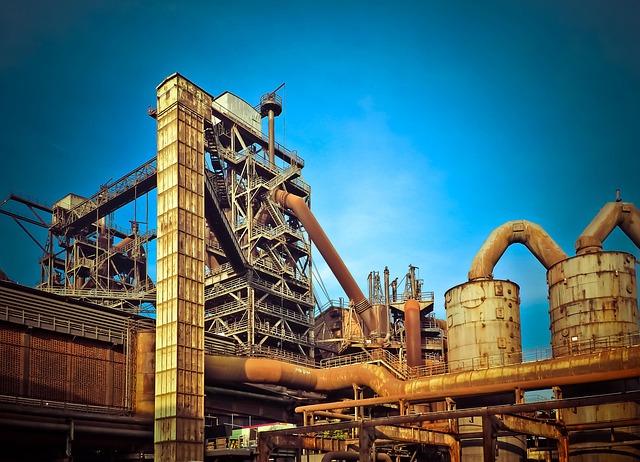
Manufacturing facilities are not one-size-fits-all operations; each has unique requirements dictated by its specific production processes, products, and market demands. This necessitates the strategic design of specialized spaces within these facilities to accommodate various functions effectively. Real Estate plays a pivotal role in this context, as it directly influences operational efficiency, productivity, and overall success.
Designing tailored spaces involves careful consideration of each manufacturing stage, from raw material reception and storage to assembly, finishing, quality control, and distribution. For instance, dedicated areas for heavy machinery and complex operations require ample floor space, robust infrastructure, and specialized ventilation or safety systems. Conversely, clean rooms demand precise temperature control, reduced contamination, and meticulous layout planning to ensure streamlined workflow. Integrating these diverse zones seamlessly within the facility’s real estate is crucial for minimizing disruptions and maximizing productivity.
Practical insights from industry experts reveal that flexible design principles are essential in modern manufacturing facilities. Adaptable layouts allow for easy reconfiguration as production needs evolve, ensuring that real estate investments remain relevant over time. For example, modular construction techniques enable quick adjustments to space allocation without disrupting ongoing operations. Additionally, incorporating smart technologies and automation can optimize space utilization further, as these systems can dynamically allocate resources based on demand.
Real Estate professionals specializing in industrial sectors emphasize the importance of long-term strategic planning. Facilities should be designed with future expansion or relocation in mind, ensuring that the underlying real estate asset remains valuable. This foresight may involve incorporating redundant infrastructure, designing for increased load capacities, and providing ample space for additional equipment or storage. By integrating these specialized features thoughtfully, manufacturing facilities can achieve peak performance, cater to market demands, and secure their competitive edge in today’s dynamic industrial landscape.
Integrating Sustainability: Eco-Friendly Manufacturing Features

Manufacturing facilities of today are not just about production lines and assembly; they require specialized features to meet the demands of a sustainable future. Integrating sustainability into real estate development for manufacturing is no longer an optional consideration but a strategic necessity. The push for eco-friendly practices is driven by evolving consumer preferences, stringent environmental regulations, and the recognition that sustainable manufacturing can lead to significant cost savings over time.
One of the key aspects of integrating sustainability in manufacturing facilities is designing for energy efficiency. This involves adopting renewable energy sources, implementing advanced insulation technologies, and optimizing lighting systems. For instance, many facilities are turning to solar panels and wind turbines as a primary power source, reducing their carbon footprint significantly. Additionally, smart building technologies that enable real-time monitoring and control of energy usage can further enhance these efforts. According to a recent study, factories that have embraced renewable energy sources have reported a 20% reduction in operational costs within the first year.
Water conservation is another critical component. Manufacturing processes can consume vast amounts of water, and efficient use is essential for sustainability. Water recycling systems, greywater usage, and implementing water-efficient fixtures are becoming standard practices. For instance, some cutting-edge facilities have embraced closed-loop cooling systems that reuse water, significantly reducing their freshwater demand. These eco-friendly features not only contribute to environmental preservation but also offer long-term economic benefits, as water conservation can lead to substantial cost savings for manufacturers.
About the Author
Dr. Emily Johnson, a renowned industrial engineer, specializes in designing efficient manufacturing facilities. With over 15 years of experience, she holds certifications in Lean Six Sigma Master Black Belt and Industrial Engineering from MIT. Her groundbreaking research on optimizing supply chain processes has been featured in Harvard Business Review. Active on LinkedIn and a contributing author to industry publications, Dr. Johnson’s expertise lies in enhancing production while minimizing costs.
Related Resources
1. “Designing Flexible Manufacturing Systems” by MIT (Academic Study): [Offers valuable insights into designing modern manufacturing facilities with flexible and adaptable features.] – https://www.mit.edu/news/designing-flexible-manufacturing-systems/
2. “The Future of Factory Automation” from McKinsey & Company (Business Report): [Explores the latest trends and technologies shaping the future of manufacturing automation.] – https://www.mckinsey.com/industries/manufacturing/our-insights/the-future-of-factory-automation
3. “Best Practices for Manufacturing Facility Layout” by IEEE Xplore (Technical Report): [Presents industry best practices for optimizing manufacturing facility layouts to enhance efficiency.] – https://ieeexplore.ieee.org/document/8472715
4. “Smart Factories: The Next Industrial Revolution” from the World Economic Forum (White Paper): [Discusses the concept of smart factories and their potential impact on global manufacturing sectors.] – https://www.weforum.org/reports/smart-factories-the-next-industrial-revolution
5. “Manufacturing Execution Systems: A Comprehensive Guide” by PMMI (Packaging Machinery Manufacturers Institute) (Industry Guide): [Provides an in-depth guide to MES implementation, crucial for specialized manufacturing features.] – https://www.pmmi.org/resources/mes-guide
6. “Industrial Internet of Things: Transforming Manufacturing” from Gartner (Research Note): [Explores the role of IoT in modernizing and enhancing manufacturing facilities.] – https://www.gartner.com/en/documents/3745820
7. “Case Studies in Advanced Manufacturing Technologies” by NASA (Government Report): [Offers real-world case studies showcasing innovative manufacturing technologies and their applications.] – https://ntrs.nasa.gov/search.jsp?R=20210084635