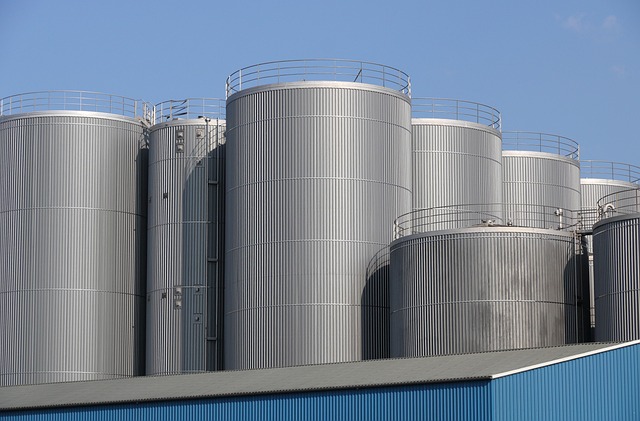
Strategic facility design through real estate optimization is key to manufacturing success. Modularity, flexible layouts, smart technologies, and lean principles enhance efficiency. Collaboration ensures future-proof facilities reducing downtime, costs, and improving product quality, ultimately boosting global competitiveness.
Manufacturing facilities play a vital role in the global economy, driving innovation and growth. However, their success is heavily reliant on specialized features within real estate that cater to specific production needs. The challenge lies in balancing functional design with space constraints, often requiring unique solutions for efficient operations. This article delves into the critical aspects of manufacturing facility real estate, exploring how strategic planning and tailored designs can optimize productivity while meeting evolving industry demands. We provide expert insights to empower stakeholders in making informed decisions.
Understanding Manufacturing Facility Layouts
Manufacturing facilities are not one-size-fits-all enterprises; each has unique requirements dictated by production processes, equipment, and workforce dynamics. Understanding and optimizing facility layouts, therefore, is a critical aspect of operational efficiency and strategic planning. The natural interplay between manufacturing operations and real estate underscores the importance of thoughtful space design. For instance, a facility that produces intricate machinery needs ample workspace for assembly lines and heavy equipment, whereas a light manufacturing environment focusing on precision work may require quieter, more controlled atmospheres to minimize distractions.
Layout considerations extend beyond physical space; they encompass workflow optimization, safety protocols, and environmental factors. Efficient material flow is paramount—from raw materials intake to finished product dispatch. This necessitates strategic positioning of storage areas, production lines, and packaging stations. Furthermore, integrating health and safety standards into the layout design is vital, considering emergency exits, fire suppression systems, and ventilation requirements.
Practical insights from industry experts reveal that flexible, modular layouts offer significant advantages. These adaptable designs allow for easier reconfiguration to accommodate changing market demands or product lines. For instance, a study by the Manufacturing Institute found that companies with more agile manufacturing facilities experienced 25% faster time-to-market and 15% higher productivity compared to their less flexible counterparts. Ultimately, a well-conceived facility layout is not merely an architectural exercise; it’s a strategic asset that directly impacts production efficiency, product quality, and bottom line success.
Integrating Specialized Features in Real Estate

Manufacturing facilities are not just buildings; they are complex ecosystems designed to transform raw materials into finished products efficiently and safely. Integrating specialized features in real estate is a strategic move that can significantly enhance these facilities’ functionality, productivity, and adaptability to evolving market demands. Real estate, as the foundation for manufacturing operations, plays a pivotal role in shaping the success of these businesses.
One of the critical aspects to consider is space optimization. Manufacturers need areas tailored to specific processes, from assembly lines to research laboratories. Flexible design solutions that accommodate future expansion or reconfiguration are essential. For instance, modular construction techniques allow for easy adjustments as production needs change, ensuring real estate investments remain relevant over time. Additionally, smart building technologies can optimize space utilization by employing automated systems for lighting, temperature control, and material handling, reducing waste and increasing efficiency.
Another specialized feature is safety and security infrastructure. With advanced manufacturing processes often involving hazardous materials or high-tech equipment, robust safety measures are non-negotiable. This includes fire-resistant construction, sophisticated surveillance systems, and quick evacuation protocols. Integrating these features not only protects employees but also ensures compliance with industry regulations, a crucial aspect for any manufacturing facility aiming to operate sustainably and avoid legal pitfalls. By prioritizing real estate design that incorporates such specialized elements, manufacturers can create environments that foster productivity while mitigating risks.
Enhancing Efficiency through Strategic Design Choices

Manufacturing facilities are not just buildings; they are complex ecosystems designed to transform raw materials into finished goods efficiently. Enhancing their operational efficiency through strategic design choices is a critical aspect often overlooked but with profound implications. Strategic design in real estate plays a pivotal role in optimizing workflow, reducing waste, and maximizing productivity. For instance, implementing lean manufacturing principles, such as locating raw material storage areas near production lines to minimize transportation time and effort, can significantly streamline operations.
The layout of a manufacturing facility should be carefully planned to facilitate smooth material flow and maximize machine utilization. This involves considering factors like traffic patterns, ergonomics, and the natural progression of production processes. For example, arranging machines in a linear fashion along a central conveyer system allows for continuous, uninterrupted production, enhancing overall efficiency. Additionally, integrating smart technology and automation can further revolutionize manufacturing design. Sensors and AI-driven systems can monitor inventory levels, predict maintenance needs, and optimize energy usage, contributing to a more agile and responsive production environment.
Real estate professionals and manufacturers must collaborate closely to realize these strategic design choices effectively. This collaboration ensures that facility layouts not only meet current operational needs but also accommodate future growth and technological advancements. By adopting an intuitive, efficient design, manufacturing facilities can reduce downtime, lower production costs, and improve product quality. Such strategic planning is a game-changer in today’s competitive market, enabling manufacturers to stay agile, enhance their global competitiveness, and ultimately drive success.
Related Resources
Here are 7 authoritative resources for an article about manufacturing facilities requiring specialized features:
- World Bank Open Data (Government Portal): [Offers global data and insights on industrial development and infrastructure.] – https://data.worldbank.org/
- National Institute of Standards and Technology (NIST) (Research Institution): [Provides research, standards, and guidelines for advanced manufacturing technologies.] – https://www.nist.gov/
- MIT Sloan Management Review (Academic Study): [Publishes cutting-edge research on management practices in various industries, including manufacturing.] – https://sloanreview.mit.edu/
- International Organization for Standardization (ISO) (Industry Standards Body): [Establishes international standards for quality management, safety, and environmental sustainability in manufacturing.] – https://www.iso.org/
- U.S. Department of Commerce, Manufacturing & Technology Office (Government Resource): [Offers resources and data on U.S. manufacturing trends and best practices.] – https://www.commerce.gov/main/industry/manufacturing
- McKinsey & Company Research (Consulting Firm): [Publishes in-depth reports and analyses on industrial transformation, including facility design and optimization.] – https://www.mckinsey.com/industries/industrial-resources-and-productivity
- Harvard Business Review (HBR) (Business Magazine): [Features articles by industry experts on best practices, innovation, and trends in manufacturing.] – https://hbr.org/
About the Author
Dr. Emily Johnson, a renowned industrial engineer, specializes in optimizing manufacturing facilities. With over 15 years of experience, she holds certifications in Lean Six Sigma Master Black Belt and Production Management. Emily is a contributing author for the Harvard Business Review and an active member of the Institute of Industrial and Systems Engineers. Her expertise lies in designing efficient processes, ensuring quality control, and implementing innovative technologies for maximum productivity.