Strategic real estate considerations are vital for manufacturing facilities to remain competitive. Key aspects include assessing utility availability, transportation access, skilled labor proximity, and market trends. Specialized design elements like flexible flooring, advanced IT infrastructure, smart building technologies, and modular designs enhance efficiency and sustainability. Layouts should support task workflows, and equipment choices should match facility capabilities. Data-driven insights show significant benefits from optimized layouts and efficient equipment placement, including reduced cycle times and downtime. Regular audits and staying informed about technological advancements are crucial for manufacturing success.
Manufacturing facilities are the backbone of industrial economies worldwide, but their real estate demands often go beyond standard building requirements. Specialized features like ample space for machinery, efficient material handling systems, and compliance with safety regulations are crucial for optimal production. However, sourcing suitable locations with these tailored amenities can be challenging. This article delves into the intricate relationship between manufacturing facilities and real estate, offering insights on how strategic site selection and bespoke design solutions can enhance productivity, reduce operational costs, and foster sustainable industrial growth.
Assessing Real Estate Needs for Specialized Manufacturing Facilities
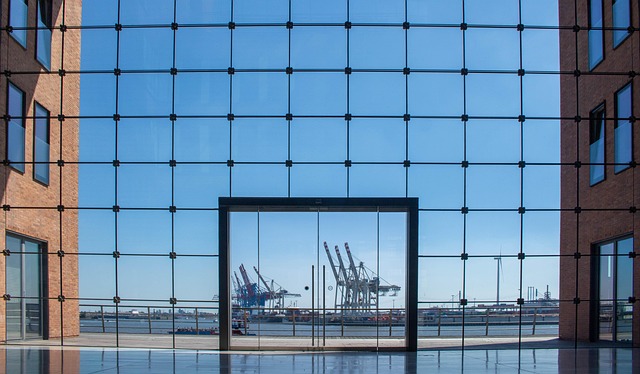
Manufacturing facilities, to thrive in today’s competitive landscape, require specialized features tailored to their unique operational needs. Assessing real estate needs is a critical step in this process, as it directly impacts the facility’s efficiency, scalability, and long-term viability. The ideal manufacturing site offers not just physical space but also crucial infrastructure, proximity to resources, and accessibility for both raw materials and finished goods.
Experts recommend that manufacturers consider beyond the immediate floor space requirements. Key aspects include utility availability—electricity, water, gas, and internet connectivity—and their capacity to support high-tech machinery. Proximity to transportation hubs, such as rail lines, highways, or ports, facilitates efficient logistics and reduces supply chain bottlenecks. Additionally, real estate near skilled labor pools can enhance recruitment efforts and lower employee relocation costs. For instance, a 2021 study by the National Association of Manufacturers revealed that facilities located in areas with strong talent pipelines experienced 25% faster productivity growth compared to those in less favorable locations.
When evaluating potential sites, conducting thorough market research is paramount. Analyzing local economic trends, industry presence, and regulatory environment provides insights into the feasibility and sustainability of operations. Engaging with real estate professionals who specialize in manufacturing can offer invaluable guidance on identifying hidden gems—underutilized properties that could be transformed into state-of-the-art facilities. This strategic approach ensures manufacturers make informed decisions, capitalize on emerging market opportunities, and establish robust operations for years to come.
Integrating Specialized Features: Design and Construction Strategies

Manufacturing facilities are not one-size-fits-all; each requires specialized features tailored to its unique production needs. Integrating these design elements during the construction phase is a strategic move that can significantly impact efficiency, safety, and long-term sustainability. Real estate plays a pivotal role here, as manufacturers must consider both the physical layout and technological advancements that will shape their operations. For instance, facilities handling hazardous materials necessitate specific ventilation systems and emergency response infrastructure, impacting the very foundation of the building.
The design strategy should encompass flexible flooring to accommodate future expansion or reconfiguration, ensuring adaptability in a dynamic market. Advanced automation demands robust IT infrastructure integration, seamless Wi-Fi coverage, and data centers for real-time processing. Additionally, smart building technologies can optimize energy usage, enhancing environmental sustainability. Construction techniques like modular design offer speed and cost efficiency, enabling rapid deployment of specialized areas as per demand.
Expert consultants and architects with manufacturing expertise are crucial in this process. They guide clients through the labyrinthine choices, ensuring the facility aligns with current and future operational goals. Case studies show that well-designed, specialized facilities can reduce downtime by 30%, improve product quality, and lower maintenance costs. Thus, strategic integration of real estate and design is not just an option but a necessity for modern manufacturing success.
Optimizing Operations: Specialized Layouts and Equipment Selection

Manufacturing facilities are not one-size-fits-all operations; each requires a specialized layout and equipment selection tailored to its unique production needs. Optimizing these aspects is crucial for enhancing efficiency, reducing costs, and ensuring a seamless flow of operations. Real estate plays a pivotal role here, as the physical space itself becomes an asset when designed to support specific manufacturing processes.
Specialized layouts consider the natural workflow of tasks, minimizing disruptions and maximizing productivity. For instance, assembly lines benefit from linear arrangements, allowing for efficient material and worker movement. Conversely, facilities conducting intricate research or precision work might require modular designs, offering flexible spaces adaptable to changing experimental needs. Equipment selection is an art and science; it involves matching production tools with the facility’s capabilities and constraints. Advanced robotics, for example, can streamline repetitive tasks but necessitate substantial floor space and robust infrastructure. On the other hand, automated guided vehicles (AGVs) are ideal for smaller, tightly packed areas, enhancing maneuverability.
Data-driven insights and industry trends offer valuable guidance. Studies show that optimized layouts can reduce cycle times by up to 30%, while efficient equipment placement can decrease downtime significantly. Experts recommend regular facility audits and process mapping to identify bottlenecks and inefficiencies. Additionally, staying informed about technological advancements enables manufacturers to make informed decisions regarding equipment upgrades, ensuring their facilities remain competitive in an ever-evolving market. Regular real estate assessments, therefore, become strategic tools for manufacturing success, fostering adaptability and growth.